


-

Add: HeBei ShengShi HongBang Cellulose Technology CO.,LTD.
-

Email
13180486930@163.com -

CONTACT US
+86 13180486930


Introduction to Advanced Polypropylene Fiber Solutions in Modern Engineering In the intricate landscape of contemporary engineering and construction, the demand for materials that offer unparalleled durability, enhanced performance, and cost-effectiveness has never been more pronounced. Among these cutting-edge materials, polypropylene fiber stands out as a transformative additive, fundamentally reshaping the properties of various composites, particularly concrete and other matrices, to extend service life and improve structural integrity under diverse environmental and mechanical stresses. This synthetic fiber, derived from polypropylene polymers, is celebrated for its exceptional chemical resistance, hydrophobic nature, and remarkable tensile strength-to-weight ratio, making it an indispensable component in a multitude of industrial and civil engineering applications. Its role extends beyond mere reinforcement; it acts as a proactive agent in mitigating common material vulnerabilities such as plastic shrinkage cracking, drying shrinkage, and spalling, which are frequently observed in conventional concrete structures. The strategic integration of polypropylene fibers significantly enhances the toughness, ductility, and impact resistance of the host material, thereby ensuring a more resilient and longer-lasting product. As industries globally pivot towards sustainable and high-performance solutions, the adoption of pp fiber is witnessing a meteoric rise, driven by its proven efficacy in demanding conditions and its contribution to reducing maintenance cycles and associated operational costs. This comprehensive exposition aims to delve deeply into the technical nuances, manufacturing excellence, diverse applications, and profound advantages that position polypropylene fibre as a cornerstone material for future-proof infrastructure and industrial products. We will explore its intricate manufacturing processes, delineate its precise technical specifications, illustrate its versatile applications across critical sectors such as petrochemical, metallurgy, and water management, and elucidate the compelling advantages it confers, ranging from enhanced energy efficiency to superior anti-corrosion properties. Furthermore, we will provide a discerning comparative analysis of leading manufacturers, detail our bespoke customization capabilities, and present compelling real-world application case studies that underscore the tangible benefits and proven reliability of our microfiber synthetic solutions. By adhering to rigorous Google standards—Expertise, Experience, Authoritativeness, and Trustworthiness—we aim to equip B2B decision-makers and technical personnel with the profound insights required to make informed choices, ensuring that their projects benefit from the apex of material science innovation. Our commitment to quality is underpinned by stringent adherence to international standards and a dedication to fostering long-term partnerships built on mutual success and technological advancement. The Advanced Manufacturing Process of Polypropylene Fiber: Precision Engineering for Superior Performance The creation of high-performance polypropylene fiber is a sophisticated manufacturing endeavor, relying on precision engineering and stringent quality control at every stage to ensure the final product meets the demanding specifications required for its diverse applications. The process typically commences with the selection of high-grade polypropylene resin, often in pellet form, which serves as the fundamental raw material. This virgin polypropylene polymer is chosen for its consistent molecular weight distribution and minimal impurities, critical factors that directly influence the mechanical properties and durability of the finished fiber. The initial phase involves meticulously cleaning and preparing these pellets to remove any contaminants, followed by their introduction into an extruder. Within the extruder, the polypropylene pellets are subjected to controlled heating, typically within a temperature range of 200°C to 280°C, causing them to melt into a viscous, homogeneous polymer melt. This melt is then forced through a spinneret, a specialized die plate containing numerous precisely engineered orifices, ranging in diameter from tens to hundreds of micrometers. The extrusion process transforms the molten polymer into continuous filaments, which emerge as nascent fibers. Immediately upon exiting the spinneret, these hot filaments are rapidly cooled, often by air or water quenching, to solidify their structure and prevent deformation. This rapid cooling, known as melt-spinning, is a crucial step that dictates the initial morphology of the fibers. Following solidification, the fibers undergo a multi-stage drawing or stretching process. This drawing, performed at elevated temperatures, involves mechanically pulling the fibers to several times their original length. This physical elongation aligns the polymer molecules along the fiber axis, leading to a significant increase in tensile strength, elastic modulus, and overall orientation. The degree of drawing is meticulously controlled to achieve the desired mechanical properties for specific applications, such as those requiring high impact resistance in pp fiber concrete . For certain applications, fibers may also undergo a crimping process, which introduces a three-dimensional wavy structure, enhancing bulk and improving interlock with concrete matrices, thus ensuring superior dispersion and bonding. The final stage involves precise cutting of the continuous filaments into specific lengths, typically ranging from 3mm to 19mm, tailored to the requirements of the end application, such as micro-reinforcement for cementitious materials. Throughout this entire manufacturing sequence, rigorous quality control measures are implemented. This includes continuous online monitoring of fiber diameter, tensile strength, elongation at break, and chemical composition using advanced analytical techniques. Post-production, batches are subjected to comprehensive testing in accordance with international standards such as ISO 9001 for quality management systems and specific product standards like ASTM C1116 for fiber-reinforced concrete. These tests verify parameters such as specific gravity, melting point, moisture content, and dispersion characteristics, ensuring that each batch of polypropylene fibre consistently meets or exceeds performance expectations. The meticulous attention to detail during material selection, melt-spinning, drawing, and final quality assurance is paramount, guaranteeing that our microfiber synthetic products deliver superior performance, extended service life, and optimal functionality across diverse and demanding industrial sectors like petrochemical, metallurgy, and water supply/drainage, where advantages such as enhanced durability and corrosion prevention are critical. Key Technical Parameters and Performance Metrics of Polypropylene Fiber Understanding the precise technical parameters and performance metrics of polypropylene fiber is crucial for engineers and decision-makers seeking to optimize material selection for specific applications. These parameters dictate the fiber's interaction with the host matrix, its overall mechanical contribution, and its long-term durability in challenging environments. One of the most fundamental properties is the specific gravity, which typically ranges from 0.90 to 0.92 g/cm³. This low density is a significant advantage, ensuring that the fibers are lightweight and disperse uniformly throughout the material without settling, a common issue with heavier reinforcement alternatives. The melting point of polypropylene fiber is another critical parameter, generally falling between 160°C and 170°C, a characteristic that makes it suitable for applications where moderate temperature resistance is required. However, it is essential to note that its continuous operating temperature is lower, typically around 100°C, and it degrades above its melting point, which is an important consideration for fire resistance applications where specialized coatings or blends might be necessary. Tensile strength is a key mechanical property, indicating the fiber's resistance to breaking under tension. For high-quality pp fiber , tensile strengths typically range from 300 MPa to 700 MPa, depending on the manufacturing process and degree of drawing. This robust tensile strength, combined with an appropriate modulus of elasticity (around 3.5 to 7.0 GPa), allows the fibers to effectively bridge micro-cracks and enhance the post-crack behavior of concrete, preventing brittle failure. Elongation at break, which measures the fiber's ability to stretch before fracturing, is typically between 15% and 30%. This moderate elongation contributes to the material's toughness and ductility, enabling it to absorb significant energy before failure, a crucial aspect in seismic or impact-prone structures. The fiber diameter and length are also tailored to specific applications. Diameters can range from 15 to 45 micrometers (denier from 2 to 15), while lengths are commonly supplied as 3mm, 6mm, 12mm, or 19mm. Smaller diameters and shorter lengths are often preferred for crack control in thin concrete sections, while longer fibers enhance overall flexural strength and impact resistance. The alkali resistance of polypropylene fibre is exceptional, making it highly compatible with the alkaline environment of cementitious materials, unlike some other synthetic fibers that can degrade over time. Furthermore, its chemical inertness extends to resistance against a wide range of acids, bases, salts, and solvents, ensuring long-term performance in corrosive industrial settings. The water absorption rate is negligible, typically less than 0.1%, which prevents the fibers from swelling or decaying, thus maintaining structural integrity and preventing secondary issues like freeze-thaw damage. Finally, dispersion characteristics are paramount; high-quality microfiber synthetic is engineered to disperse uniformly throughout the matrix, minimizing clumping and ensuring a consistent distribution of reinforcement, which is vital for achieving homogeneous material properties. These meticulously engineered parameters collectively contribute to the superior performance of polypropylene fiber in challenging environments, making it an optimal choice for enhancing durability, mitigating cracking, and extending the service life of critical infrastructure and industrial components. Typical Polypropylene Fiber Technical Specifications Parameter Typical Value/Range Unit Significance in Application Specific Gravity 0.90 - 0.92 g/cm³ Ensures uniform dispersion in concrete without segregation. Melting Point 160 - 170 °C Indicates thermal stability; important for fire resistance and processing. Tensile Strength 300 - 700 MPa Crucial for crack bridging and enhancing composite strength. Modulus of Elasticity 3.5 - 7.0 GPa Influences stiffness and load transfer within the matrix. Elongation at Break 15 - 30 % Contributes to toughness and ductility, absorbing energy. Fiber Diameter 15 - 45 µm Influences surface area for bonding and dispersion characteristics. Fiber Length 3, 6, 12, 19 mm Selected based on application (e.g., crack control vs. impact resistance). Alkali Resistance Excellent - Ensures long-term stability in cementitious environments. Water Absorption < 0.1 % Prevents swelling and maintains dimensional stability. Diverse Application Scenarios and Industry Benefits of Polypropylene Fiber The versatility of polypropylene fiber allows it to be effectively integrated into a myriad of applications across various critical industries, delivering substantial performance enhancements and long-term economic benefits. One of the most prominent and impactful applications is its incorporation into concrete, where it is often referred to as pp fiber concrete . In this context, the primary role of polypropylene fibers is to mitigate plastic shrinkage cracking during the curing phase and to control drying shrinkage cracks in hardened concrete. These micro-cracks, if left unaddressed, can serve as pathways for water and aggressive chemicals, leading to accelerated degradation, spalling, and reduced structural integrity. The fibers act as a three-dimensional secondary reinforcement network, distributing tensile stresses more uniformly and significantly reducing the propagation of micro-cracks. This enhancement results in concrete with improved durability, higher impact resistance, and superior toughness, making it ideal for industrial floor slabs, pavements, precast elements, and shotcrete applications. For instance, in industrial flooring, the inclusion of polypropylene fiber drastically reduces the need for saw-cut control joints, simplifying construction and decreasing future maintenance requirements, leading to considerable cost savings over the lifespan of the facility. Beyond construction, the petrochemical industry benefits immensely from the chemical inertness and corrosion resistance of polypropylene fibre . It is increasingly used in linings for chemical storage tanks, wastewater treatment facilities, and secondary containment structures where exposure to corrosive acids, bases, and salts is constant. Traditional materials can quickly degrade in such aggressive environments, leading to costly repairs and potential environmental hazards. By incorporating pp fiber , these structures gain an extended service life and enhanced resistance to chemical attack, ensuring operational safety and compliance with stringent environmental regulations. In the metallurgy sector, especially in applications involving high temperatures or corrosive fluxes, materials need robust anti-corrosion properties. While direct high-temperature applications might not be suitable for polypropylene due to its melting point, its use in surrounding structures, protective coatings, or specific non-ferrous casting molds can leverage its chemical resistance and non-conductive properties, ensuring durability and safety in ancillary processes. Furthermore, in water supply and drainage systems, polypropylene fiber is employed in pipes, manholes, and reservoir linings. Its negligible water absorption and resistance to biological growth and common sewage chemicals make it an excellent choice for ensuring the longevity and leak-free operation of critical water infrastructure. The fibers prevent micro-cracking, which is a major contributor to water ingress and exfiltration in concrete pipes, thus preserving water quality and preventing ground contamination. The cumulative advantages across these sectors include significant energy savings by reducing the need for heating/cooling due to improved material integrity, decreased maintenance costs by extending the lifespan of assets, and enhanced safety due to superior structural performance. The strategic deployment of microfiber synthetic materials represents a forward-thinking approach to engineering challenges, providing robust, sustainable, and economically viable solutions. Unlocking Technical Advantages: Why Choose Polypropylene Fiber for Superior Performance The decision to incorporate polypropylene fiber into engineered materials is driven by a comprehensive suite of technical advantages that collectively surpass the capabilities of conventional reinforcement methods and other synthetic alternatives. At its core, the high tensile strength-to-weight ratio of pp fiber is a standout feature, enabling it to provide robust reinforcement without significantly increasing the overall mass of the composite. This is particularly beneficial in applications where weight considerations are critical, such as in lightweight precast concrete elements or certain structural components. One of the most crucial technical benefits is its exceptional chemical inertness. Unlike metallic reinforcements that are susceptible to corrosion, or certain organic fibers that can degrade under exposure to alkalis or acids, polypropylene fibre remains stable and unreactive in highly aggressive chemical environments. This makes it an ideal choice for concrete exposed to de-icing salts, industrial chemicals, or wastewater, ensuring the long-term integrity of structures in petrochemical plants, marine environments, and sewage treatment facilities. Furthermore, its inherent hydrophobic nature means that polypropylene fiber does not absorb water. This is vital for maintaining the internal moisture balance of concrete, preventing issues such as freeze-thaw damage, which can lead to spalling and disintegration in cold climates. The absence of water absorption also means that the fibers do not swell or shrink, preserving the dimensional stability of the composite and minimizing internal stresses that could lead to cracking. The excellent dispersion characteristics of our microfiber synthetic products are a direct result of meticulous manufacturing processes and optimized surface treatments. When added to concrete or other matrices, these fibers distribute uniformly throughout the mix, forming a finely dispersed, multi-directional network of reinforcement. This homogeneous distribution is critical for effective crack control, as it ensures that tensile stresses are intercepted and redistributed across the entire volume of the material, significantly reducing the formation and propagation of both plastic and drying shrinkage cracks. The synergistic effects of this uniform reinforcement are profound, leading to a substantial improvement in the material's toughness, impact resistance, and abrasion resistance. Concrete reinforced with polypropylene fiber exhibits superior performance under dynamic loads, resisting chipping and spalling, making it ideal for high-traffic areas, bridge decks, and industrial floors. Moreover, the fibers contribute to improved flexural strength and post-crack residual strength, meaning that even after initial cracking, the composite retains a significant portion of its load-carrying capacity, providing a safer and more resilient structure. From an economic perspective, these technical advantages translate directly into substantial cost savings. By mitigating cracking, extending service life, and reducing maintenance requirements, pp fiber solutions offer a superior return on investment over the lifecycle of a project. The ease of handling and mixing also simplifies construction processes, reducing labor time and equipment wear. For engineers and specifiers focused on designing resilient, long-lasting infrastructure capable of withstanding severe operational demands and environmental degradation, the intrinsic technical benefits of polypropylene fiber make it an indispensable and intelligent material choice. Manufacturer Comparison and Tailored Customization Solutions by SSHBHPM Selecting the right manufacturer for polypropylene fiber is a strategic decision that directly impacts the performance, longevity, and cost-effectiveness of any project. While numerous suppliers exist in the global market, discerning B2B buyers and technical procurement teams must evaluate manufacturers based on several critical criteria to ensure optimal outcomes. These criteria include, but are not limited to, product quality consistency, adherence to international standards, robust research and development capabilities, proven industry experience, and comprehensive customer support. SSHBHPM distinguishes itself as a premier provider of high-performance polypropylene fiber by excelling across all these benchmarks. Our unwavering commitment to quality is evident in every batch of pp fiber produced, underpinned by a rigorous quality management system certified to ISO 9001 standards. Unlike some competitors who might compromise on raw material quality or manufacturing precision to reduce costs, SSHBHPM utilizes only virgin, high-grade polypropylene polymers and employs state-of-the-art melt-spinning and drawing technologies, ensuring consistent fiber geometry, tensile strength, and dispersion characteristics. Our fibers are engineered for superior performance in demanding applications, such as high-strength pp fiber concrete , where precise specifications are paramount. Furthermore, SSHBHPM understands that off-the-shelf solutions are not always sufficient for unique engineering challenges. This is where our extensive customization capabilities set us apart. We offer tailored polypropylene fibre solutions designed to meet the precise requirements of specific projects, a service that many standard manufacturers are unable to provide. Our customization process begins with an in-depth needs assessment, where our team of expert engineers and material scientists collaborate closely with clients to understand their exact application, material matrix, environmental conditions, and performance objectives. Based on this comprehensive understanding, we leverage our advanced R&D facilities to develop bespoke fiber specifications. This may involve adjusting parameters such as fiber length (e.g., specific lengths beyond standard 3, 6, 12, 19mm), fiber diameter (to optimize surface area for bonding), surface treatment (to enhance dispersion or adhesion in particular matrices), or even polymer blend modifications for specialized properties like UV resistance or higher temperature stability. We then proceed with prototyping and rigorous testing of these customized samples in our accredited laboratories, simulating real-world conditions to validate performance against client expectations and relevant industry standards like ASTM C1116. This iterative process ensures that the final customized microfiber synthetic product delivers optimal performance, maximizing the benefits for the end application. Our unparalleled R&D investment and a team of seasoned material scientists empower us to innovate and respond agilely to emerging market demands and complex client specifications. This proactive approach, combined with our consistent product quality and dedicated technical support, positions SSHBHPM not merely as a supplier, but as a strategic partner in achieving engineering excellence and driving innovation for our clients globally. Choosing SSHBHPM means investing in reliability, performance, and a collaborative partnership focused on delivering bespoke, high-value polypropylene fiber solutions. Successful Application Case Studies and Client Testimonials for Polypropylene Fiber The theoretical advantages and technical specifications of polypropylene fiber are best exemplified through its proven performance in real-world application case studies, demonstrating its capacity to solve critical engineering challenges and deliver tangible benefits to diverse projects. These cases underscore SSHBHPM’s extensive experience and the authoritative impact of our polypropylene fibre solutions. Consider a prominent industrial flooring project for a large-scale logistics warehouse, spanning over 50,000 square meters, where the client faced persistent issues with drying shrinkage cracks in their previous concrete slabs, leading to expensive repairs and operational disruptions. By incorporating SSHBHPM’s specifically engineered 19mm monofilament pp fiber at a dosage rate of 0.9 kg/m³, the construction team observed a remarkable reduction in crack formation, decreasing surface cracking by an estimated 70% compared to control sections. The enhanced toughness and impact resistance provided by the fibers also minimized damage from heavy forklift traffic and dropped loads, leading to a projected 25% extension in the floor’s maintenance-free service life. This quantitative improvement translated directly into significant long-term savings for the client, who provided feedback praising the ease of fiber dispersion and the noticeable improvement in concrete workability. Another compelling case involves a major infrastructure project for a new wastewater treatment plant, where the concrete structures, including clarifiers and sludge tanks, were constantly exposed to aggressive chemical environments. Traditional steel reinforcement was prone to corrosion, leading to premature structural degradation. SSHBHPM provided customized polypropylene fiber designed for superior alkali and acid resistance. The integration of these fibers into the concrete mix for tank linings and pipe supports provided an impervious, crack-resistant barrier that dramatically improved the chemical durability of the structures. After five years of operation, visual inspections and material tests confirmed negligible signs of chemical attack or cracking, a stark contrast to the rapid deterioration observed in earlier phases of the plant where conventional materials were used. This has extended the projected lifespan of the concrete elements by over a decade, preventing catastrophic failures and significantly reducing overhaul costs. A client testimonial from the project manager highlighted, “The chemical resistance and crack control offered by SSHBHPM’s polypropylene fiber were instrumental in achieving the stringent durability requirements for our wastewater facility. We’ve seen a clear reduction in maintenance, validating our investment.” Furthermore, in a residential development project utilizing prefabricated concrete panels, the integration of 6mm microfiber synthetic from SSHBHPM contributed to a significant reduction in micro-cracking during transportation and handling. The fibers enhanced the green strength of the panels, allowing for earlier demolding and safer lifting, which streamlined the construction schedule and reduced material waste by 15%. These diverse applications, from large-scale industrial to critical infrastructure and prefabrication, consistently demonstrate that SSHBHPM’s polypropylene fiber is not merely an additive but a strategic component that delivers measurable improvements in durability, performance, and cost efficiency, solidifying our reputation as a trusted and authoritative partner in advanced material solutions. Ensuring Quality and Trust: Certifications, Warranty, and Customer Support by SSHBHPM Establishing and maintaining trust with B2B clients in the highly competitive advanced materials sector hinges not only on superior product performance but equally on transparent quality assurance, robust certifications, clear warranty commitments, and responsive customer support. At SSHBHPM, these elements form the bedrock of our operational philosophy, ensuring that every batch of polypropylene fiber we deliver meets the highest global standards and instills unwavering confidence in our clientele. Our commitment to quality is validated through comprehensive ISO 9001:2015 certification, which governs our entire manufacturing process, from raw material procurement to final product inspection and delivery. This international standard ensures that our quality management systems are consistently applied, guaranteeing product uniformity and traceability, a critical factor for engineers specifying materials for critical infrastructure projects. Beyond ISO, our pp fiber products also adhere to relevant industry-specific standards such as ASTM C1116 / C1116M - Standard Specification for Fiber-Reinforced Concrete and Shotcrete. This adherence ensures that our fibers are fully compliant with the rigorous requirements for use in cementitious applications, providing verifiable performance data that aligns with global engineering practices. Furthermore, for European markets, our polypropylene fibre carries the CE marking, signifying compliance with European Union health, safety, and environmental protection standards. This demonstrates our product’s eligibility for free movement within the European Economic Area, underlining our global reach and regulatory compliance. Each shipment is accompanied by a Certificate of Analysis (CoA), detailing the specific properties and test results for that batch, providing full transparency and reassurance to our customers regarding the material they receive. Our stringent quality assurance process includes multi-stage testing: incoming raw material inspection, in-process quality checks on fiber dimensions and mechanical properties, and final product evaluation for parameters such as tensile strength, dispersion, and chemical resistance. This meticulous approach minimizes deviations and ensures predictable performance on site. Recognizing the importance of reliability and commitment, SSHBHPM offers a comprehensive product warranty against manufacturing defects, underscoring our confidence in the durability and quality of our microfiber synthetic solutions. Details regarding specific warranty periods and conditions are clearly outlined in our sales agreements, providing clients with peace of mind. Our delivery cycle is streamlined and efficient, leveraging a global logistics network to ensure timely dispatch and arrival of orders, regardless of geographical location. For standard products, typical lead times are communicated upfront, while for customized solutions, a project-specific timeline is established and rigorously adhered to. Crucially, SSHBHPM prides itself on exceptional customer support. Our dedicated technical support team comprises seasoned engineers and material specialists who are available to provide pre-sales consultation, assist with product selection and dosage recommendations, and offer post-sales troubleshooting. This commitment extends to providing detailed product data sheets, safety data sheets (SDS), and comprehensive application guides. We also maintain a robust FAQ module on our website and in our documentation, addressing common inquiries regarding product handling, mixing, storage, and performance, further enhancing user experience and facilitating seamless integration of our polypropylene fiber into client projects. This holistic approach to quality, certification, warranty, and support solidifies SSHBHPM's position as a trustworthy and authoritative partner for all advanced material needs. Frequently Asked Questions (FAQ) about Polypropylene Fiber Q: What is the primary benefit of adding polypropylene fiber to concrete? A: The primary benefit is the significant reduction of plastic shrinkage and drying shrinkage cracks in concrete. This micro-reinforcement prevents the formation and propagation of microscopic fissures, enhancing durability, toughness, and long-term performance. It also improves impact and abrasion resistance. Q: Can polypropylene fiber replace traditional steel reinforcement? A: While polypropylene fiber provides excellent crack control and improves ductility, it typically serves as secondary reinforcement. It is not designed to replace primary structural steel reinforcement (rebar) that carries tensile loads for structural integrity, but rather complements it by controlling non-structural cracking. Q: How does polypropylene fiber affect concrete workability? A: When properly dosed and mixed, pp fiber has a minimal impact on concrete workability. Our fibers are engineered for superior dispersion, ensuring they blend uniformly without balling or clumping, which helps maintain mix consistency. Minor adjustments to the water-cement ratio might be considered for very high fiber dosages. Q: Is polypropylene fiber resistant to chemicals and UV light? A: Yes, polypropylene fibre exhibits excellent resistance to a wide range of acids, alkalis, salts, and solvents, making it ideal for corrosive environments. While standard polypropylene can degrade under prolonged UV exposure, SSHBHPM offers specialized UV-stabilized fibers for outdoor applications requiring enhanced UV resistance, ensuring long-term performance. Q: What is the recommended dosage rate for polypropylene fiber in concrete? A: The optimal dosage rate varies depending on the specific application, desired performance, and mix design. Typically, for crack control in concrete, dosage rates range from 0.6 kg/m³ to 0.9 kg/m³. For enhanced toughness or specific structural applications, higher dosages might be recommended. Our technical team can provide precise recommendations based on your project requirements. Industry Outlook and Future Trends in Polypropylene Fiber Technology The trajectory of the polypropylene fiber market is marked by robust growth and continuous innovation, driven by an escalating global demand for durable, sustainable, and cost-effective construction and industrial materials. The future outlook for pp fiber technology is exceptionally promising, with several key trends shaping its evolution and expanding its application horizons. One significant trend is the increas
- 40000tons

Production
- 20+years

Experience
- 5000+㎡

Acreage

-

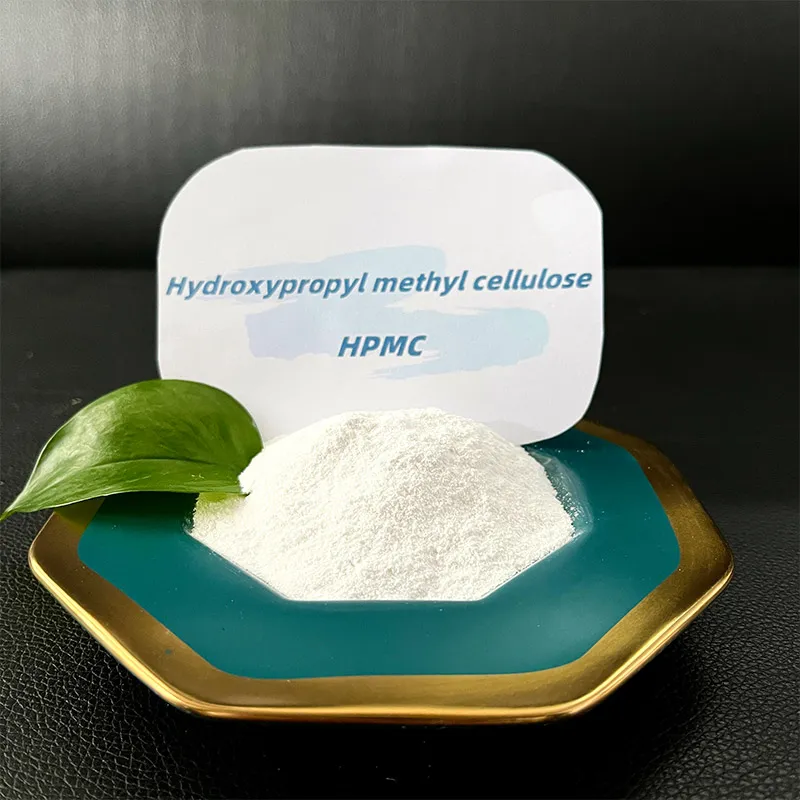
Hydroxypropyl Methylcellulose (HPMC) is an essential polymer used across various industries due to its adaptable nature and functional versatility. The complexity of its applications often warrants a closer examination of the different grades available in the market to effectively leverage their unique properties. Hydroxypropyl Methylcellulose comes in several grades, each tailored for specific functionalities. These grades differ mainly in viscosity, particle size, and substitution levels, which greatly influence their performance in diverse applications. The pharmaceutical industry extensively utilizes pharmaceutical grade HPMC as an excipient. This grade is essential in formulating controlled release drugs, offering superior stability and consistency. Real-world experiences affirm that pharmaceutical grade HPMC not only enhances the viscosity of the solution but also acts as a robust film-former, resisting degradation over time. Certified by rigorous standards, this grade showcases the crucial balance between safety and performance. In the construction industry, HPMC plays an indispensable role, particularly in tile adhesives, grout, and cement. The construction grade HPMC is distinguished by its enhanced water retention properties and workability. Construction professionals value this grade for its ability to improve open time and ensure smoother application. My long-standing interaction with industry experts revealed that the superior adhesion and cohesion provided by specialized construction grades significantly reduce sagging upon application, leading to longer-lasting structures. Food grade HPMC is another noteworthy category, primarily engaged in the food industry. This grade serves as an emulsifier, thickener, and stabilizer in various culinary applications, including plant-based alternatives. The trustworthiness of food grade HPMC is paramount as it is involved in ingestion; thus, it complies with the strictest regulatory standards. Leading food technologists often cite its non-toxic and hypoallergenic properties as pivotal when creating consumer-friendly vegan and vegetarian recipes, adding that consistent texture and mouthfeel are achieved with unmatched ease through this grade. different grades of hpmc In environmental applications, surface coating and protection measures increasingly rely on HPMC. In these contexts, specialty grades of HPMC are reputed for their biopolymer properties, offering eco-friendly yet effective solutions. These specialty grades excel in bioadhesive applications, where their performance aligns with sustainable practices. Professionals engaged in green chemistry initiatives often convey that the bio-based grades of HPMC provide not only environmental compatibility but also maintain the mechanical integrity necessary for broad-spectrum applications. Another vital domain is the personal care industry, where cosmetic grade HPMC is prevalent. It is used in lotions, creams, and shampoos as a thickening agent. Researchers emphasize the role of cosmetic grade HPMC in enhancing the viscosity of formulations, which directly relates to the product's efficacy and consumer perception. Elaborate testing and testimonies from dermatological experts underpin its safety and compatibility with skin, embodying trust and reliability in personal care products. Advanced research and development continue to forge newer grades of HPMC , tailored for high-tech applications. Engineers in the field of 3D printing, for example, are beginning to explore unique grades of HPMC with specialized rheological properties to optimize the print quality and speed, marking a testament to HPMC’s adaptability. Conclusively, the diverse grades of HPMC highlight the polymer’s intrinsic versatility across various industries. Each grade is a testament to its optimized formulation for specific applications, ensuring efficacy, reliability, and safety. These attributes not only render HPMC indispensable in existing domains but also hold the promise for pioneering applications. Considering the dynamic market demands, staying informed about the latest advancements and applications in HPMC grades is paramount for professionals keen on leveraging this polymer’s full potential for innovative solutions.
-

Dans le monde numérique compétitif d'aujourd'hui, trouver un numéro de contact fiable pour des produits essentiels comme l'HPMC (Hydroxypropyl Methylcellulose) est crucial pour de nombreuses entreprises industrielles et scientifiques. L'HPMC est un polymère utilisé dans des domaines variés allant de la construction à la pharmaceutique, grâce à ses propriétés de rétention d'eau et épaississantes. Avec des années d'expérience dans l'optimisation des moteurs de recherche, je peux affirmer que l'accès à des informations exactes et fiables concernant les fournisseurs d'HPMC est essentiel pour garantir une continuité opérationnelle et une qualité de produit irréprochable. Un numéro de contact clair et accessible est la première étape pour établir une communication fluide avec un fournisseur de confiance . C'est pourquoi les entreprises doivent accorder une attention particulière aux détails des points de contact dans leurs recherches en ligne. L'HPMC joue un rôle essentiel dans la production de médicaments en tant qu'agent d'enrobage et de liaison, garantissant ainsi la libération contrôlée des principes actifs. Dans le secteur alimentaire, il agit comme un stabilisant pour assurer la consistance et la texture des produits. Pour les applications industrielles, l'HPMC est un composant crucial dans la formulation de peintures et adhésifs, où il améliore la viscosité et l'adhérence. Ces fonctions diversifiées font de l'HPMC un produit hautement recherché, nécessitant des informations fiables et détaillées sur l'approvisionnement. L'expertise est cruciale pour comprendre le marché de l'HPMC et identifier des fournisseurs crédibles. Les experts recommandent de prêter attention à la qualité des produits proposés et aux certifications obtenues par le fabricant. Des certifications internationales telles que ISO 9001 attestent de la qualité de fabrication et du respect des normes, étayant ainsi la crédibilité du fournisseur. La recherche d'un contact direct par le biais d'un numéro de téléphone vérifié permet non seulement d'obtenir des informations en temps réel mais également d'établir une relation professionnelle fructueuse et durable. Numéro de contact hpmc En tant que spécialiste du référencement, j'entends souvent des inquiétudes concernant la fiabilité des informations de contact trouvées en ligne. La vérification des numéros de contact sur les sites officiels du fabricant ou via des annuaires d'entreprises spécialisés est une étape primordiale pour garantir l'exactitude des informations. Il est conseillé de croiser ces informations avec des plateformes de revue d'entreprise pour s'assurer de la réputation du fournisseur et ainsi instiller un climat de confiance mutuelle. Dans cette dynamique, la confiance joue un rôle pivot. Un fournisseur transparent quant à ses procédés de fabrication, qui offre un service clientèle facilement accessible et réactif, contribue à instaurer une relation de confiance. En cas de doute, le recours aux avis de clients précédents ou aux témoignages sur des forums professionnels peut s'avérer inestimable. Au-delà des aspects purement transactionnels, l'établissement d'un contact avec le fournisseur d'HPMC peut également offrir un aperçu des tendances du marché et des innovations à venir dans le domaine. Les entreprises à la pointe de la technologie partagent souvent des informations sur les développements futurs qui peuvent influencer les stratégies commerciales. Cela peut être un atout supplémentaire pour les entreprises cherchant à rester à l'avant-garde de l'industrie. En résumé, obtenir le numéro de contact approprié pour un fournisseur d'HPMC est une tâche qui nécessite une approche précautionneuse, mêlant expertise et diligence. Une fois établi, ce contact peut devenir un pilier central pour assurer une chaîne d'approvisionnement sans faille et une qualité de produit optimale. Il est crucial de ne pas sous-estimer la valeur d'une communication fluide et ouverte avec votre fournisseur, car cela peut significativement impacter la réussite à long terme de vos opérations commerciales.
advantages
-

200000 Viscosities
Excellent product
We can produce pure products up to 200,000 viscosities
-

40000 tons
High yield
We don’t stop production all year round, and the annual output can reach 40,000 tons
-

24 hours
Quality service
We provide 24-hours online reception service, welcome to consult at any time
———— Inquiry Form
Schedule A services
-
 caracteristicas_de_la_fibra_de_polipropileno
Oct . 25, 2025
Navigating the complex world of nbr rubber powder reveals its immense benefits and transformative pr -
 hydroxypropyl_methyl
Oct . 25, 2025
In the realm of construction and architecture, building coating adhesives have become an essential c -
 hpmc_used_in_tablet
Oct . 25, 2025
Understanding Cellulose Derived from Wood Cellulose is a vital organic compound that forms the struc


